AI Outfit Visualization Before You Buy Clothes: See It Before You Spend
Discover how AI outfit visualization helps you preview clothes before buying. Learn how fAIshion's AI stylist shows you complete looks on realistic models so you shop with confidence.
Online shopping for clothes has one persistent flaw: you can't try anything on. You scroll through product photos, study size charts, read reviews about fit, and still cross your fingers when you click "buy." The result? Wardrobes full of "almost right" pieces, return labels piling up, and the nagging feeling that shopping online is more gamble than convenience.
AI outfit visualization before you buy clothes changes the equation entirely. Instead of imagining how a garment might look on you, you see it—rendered on a realistic figure, styled into a complete outfit, matched with pieces you already own. The technology has moved past crude overlays and cartoon avatars. Today's AI visualization tools generate photorealistic previews that help you understand fit, proportion, color harmony, and styling potential before you spend a dollar.
Why Buying Blind Costs More Than Money
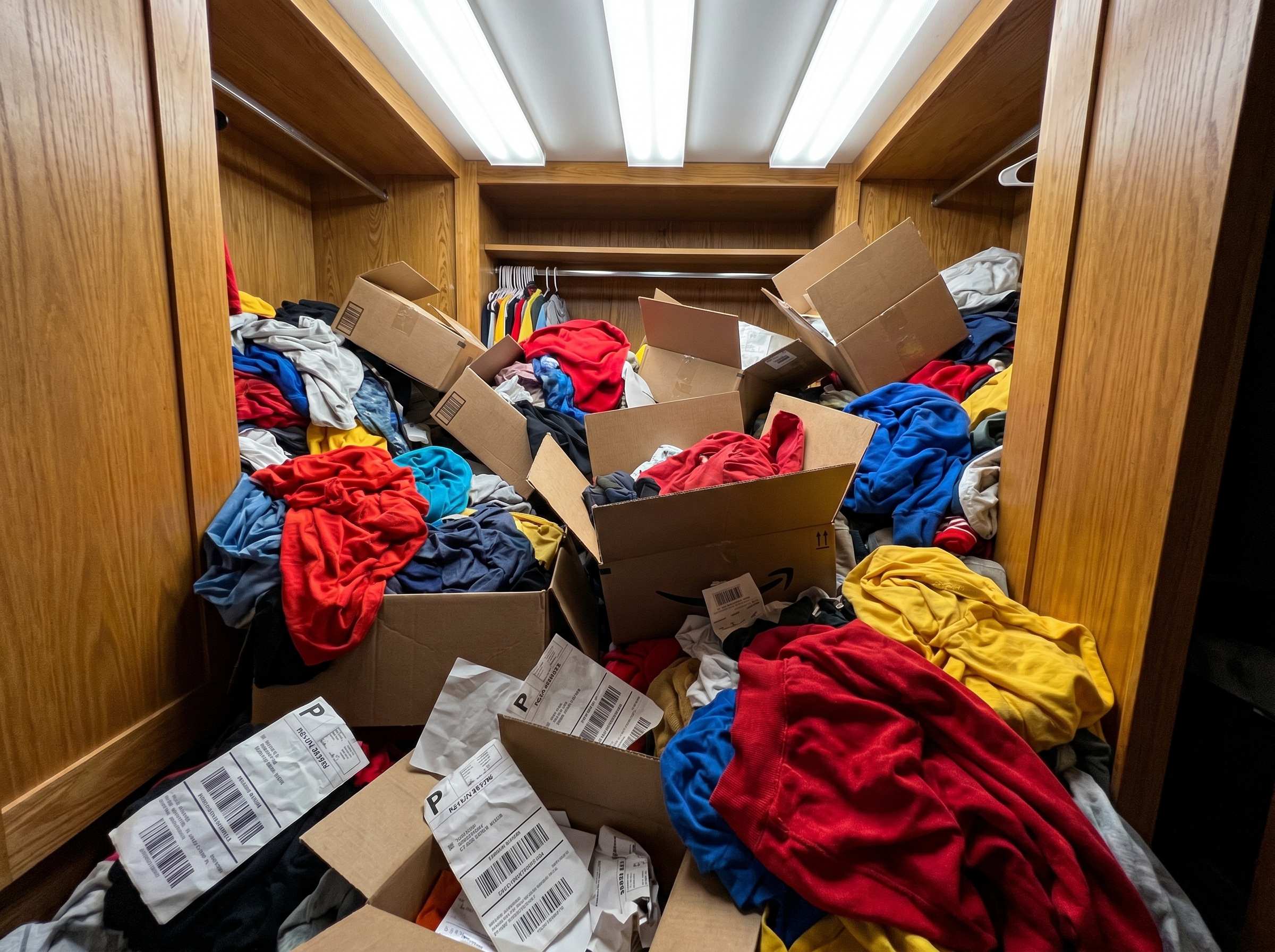
The hidden costs of shopping without visualization go beyond return shipping fees. Every mismatched purchase erodes your confidence in online shopping, clutters your closet with unworn items, and wastes the mental energy of decision-making.
The real price of buying blind:
- Return fatigue: Packing, labeling, and dropping off returns turns shopping into a chore
- Wardrobe clutter: "Maybe I'll wear it someday" items accumulate until your closet is unmanageable
- Style drift: Without seeing outfits in context, you buy isolated pieces that don't work together
- Size anxiety: Guessing your size across brands leads to inconsistent fits and frustration
- Opportunity cost: Time spent managing returns and exchanges is time not spent wearing clothes you love
The average online apparel return rate hovers between 20% and 40%. For fashion specifically, fit and appearance mismatch are the top two reasons. Visualization directly attacks both problems.
What AI Outfit Visualization Actually Shows You
Modern AI visualization goes far beyond "here's the dress on a model." It generates contextual previews that answer the questions you actually have when shopping.
| Visualization Type | What You See | Why It Helps |
|---|---|---|
| On-body rendering | The garment on a figure matching your body type | Understands proportion, length, and drape |
| Complete outfit preview | The item styled with complementary pieces | See styling potential, not just the item in isolation |
| Wardrobe integration | The new piece mixed with items you already own | Confirms compatibility before purchase |
| Color and texture accuracy | True-to-life fabric representation | Avoids disappointment from lighting-altered product photos |
| Multi-angle views | Front, side, back, and detail shots | Evaluates fit from all perspectives |
The key difference from traditional product photography is personalization. A retailer's model photo shows you the dress on someone else. AI visualization shows you the dress in a context that approximates your reality.
How AI Generates Realistic Outfit Previews
The technology behind modern outfit visualization combines several AI disciplines, each solving a different piece of the rendering puzzle.
Computer Vision and Garment Understanding
First, the AI analyzes the garment itself. Using computer vision, it identifies the item's silhouette, fabric type, drape characteristics, and structural details—collar shape, sleeve length, hemline, closure type. This isn't just image recognition; it's a structural understanding of how the garment is constructed and how it will behave on a body.
Generative Image Models
Next, generative models (like diffusion models or GANs) create the actual visual output. These models have been trained on millions of fashion images and learn to render clothing with realistic shadows, wrinkles, and fabric behavior. The result is an image that looks like a photograph, not a digital illustration.
Body Shape Adaptation
The most sophisticated visualization tools adapt the rendering to different body shapes. Rather than stretching a single model photo, the AI generates the garment on figures representing different proportions—petite, tall, curvy, athletic. This helps you understand how the item will actually look on someone built like you, not just on a professional model.
Contextual Styling
Finally, the AI places the garment in a styled context. It might show the blazer with a compatible shirt and trousers, or the dress with appropriate shoes and accessories. This answers the critical question: "Can I actually wear this, or is it just a nice item with nothing to pair it with?"
From Single Items to Complete Looks
The real power of AI outfit visualization emerges when you move beyond previewing individual items to previewing outfits. This is where fAIshion's approach stands out.
The Mix Gallery as a Visualization Lab
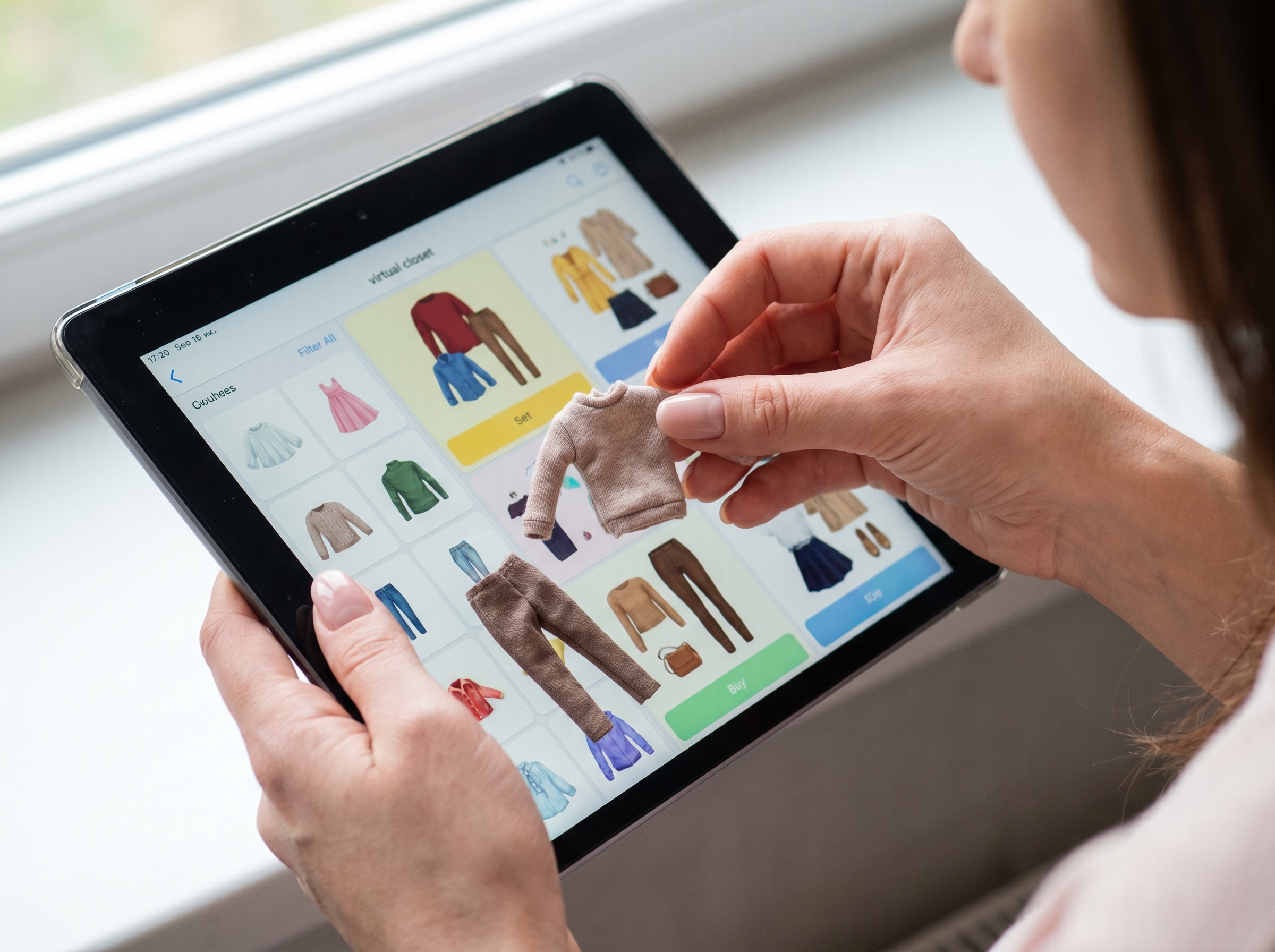
fAIshion's Mix Gallery isn't just a collection of outfit ideas—it's an interactive visualization environment. When you discover an item you like, you can see it instantly mixed with other pieces from the catalog or from your own wardrobe. The AI generates a visual preview of the complete look, showing you color harmony, proportion balance, and occasion appropriateness.
This transforms shopping from a transactional experience (buy this item) into a creative one (build this look). You don't just purchase clothes; you curate outfits.
Wardrobe-Aware Previews
The most practical visualization happens when the AI knows what you already own. fAIshion's Wardrobe feature lets you catalog your existing clothes, and the AI Stylist uses this inventory when generating previews. Considering a new blazer? The AI shows you not just the blazer on a model, but the blazer paired with the charcoal trousers and white oxford you already have.
This "wardrobe-aware" previewing eliminates one of the biggest sources of buyer's remorse: the "I love it but I have nothing to wear it with" problem.
Practical Scenarios Where Visualization Saves the Day
AI outfit visualization isn't just a novelty—it solves concrete, everyday shopping dilemmas.
Scenario 1: The Special Event Purchase
You need an outfit for a wedding, gala, or important presentation. Traditionally, you'd buy three options, try them on at home, and return two. With AI visualization, you see each option styled as a complete look before ordering. You can compare how different dresses work with your existing shoes and accessories, eliminating guesswork.
Scenario 2: The Seasonal Wardrobe Refresh
Every season, you need a few new pieces to update your look. Without visualization, you buy items that seem promising in isolation but don't integrate with your existing clothes. AI preview shows you exactly how that new autumn coat works with your current sweaters and boots—before you commit.
Scenario 3: The Experimental Purchase
You want to try a new style—maybe wider-leg trousers or a bold print—but you're unsure how it will look on you. Visualization lets you experiment risk-free. See the item on a body like yours, styled in a way that feels approachable rather than intimidating.
Scenario 4: The Online-Only Brand
Shopping from direct-to-consumer brands with no physical stores used to feel like a leap of faith. Visualization bridges the gap. You get the convenience of online shopping with the confidence of seeing the product in a realistic context.
How to Get the Most From AI Visualization Tools
Not all visualization features are equally useful. Here's how to evaluate and maximize the tools available to you.
1. Look for Wardrobe Integration
Visualization that only shows items from the retailer's catalog is helpful but limited. The most powerful tools let you upload or link your own wardrobe items and see how new purchases integrate with what you already own. In fAIshion, building your digital wardrobe takes minutes and pays dividends every time you shop.
2. Pay Attention to Body Representation
If a visualization tool only shows one body type, its utility is limited. Look for tools that offer multiple figure options or, better yet, adapt to your specific measurements. The closer the preview figure is to your actual proportions, the more reliable the visualization.
3. Evaluate Complete Outfits, Not Just Items
A dress on a model tells you what the dress looks like. A dress styled with shoes, a bag, and jewelry tells you what an outfit looks like. The latter is far more useful for making purchase decisions. fAIshion's AI Stylist generates these complete looks automatically, so you see styling potential, not just product shots.
4. Use Visualization for Discovery, Not Just Confirmation
Don't limit visualization to items you're already considering. Use it for discovery too. Browse the Trending section, find a look that catches your eye, and use visualization to see how each piece in the outfit would work for you. You might discover a silhouette or color combination you never would have considered.
The Limits of Current Visualization Technology
It's important to be honest about what AI visualization can and can't do today. Understanding the limits helps you use the tool effectively without unrealistic expectations.
What works well:
- General proportion and silhouette assessment
- Color harmony and coordination
- Styling inspiration and combination ideas
- Fit approximation for standard sizes
What still needs improvement:
- Exact fit precision (waist, inseam, sleeve length)
- Fabric feel and weight (visualization can't show texture)
- Movement and drape in motion (static images only)
- Highly unique body proportions outside standard ranges
The technology is improving rapidly. What feels like a limitation today may be solved within months. Even with current constraints, visualization eliminates far more uncertainty than traditional product photography.
The Future: From Preview to Personal Runway
The next generation of AI outfit visualization will feel less like looking at photos and more like looking in a mirror. Real-time rendering, video previews, and augmented reality overlays are already emerging. Soon you'll be able to see an outfit on a moving figure, from multiple angles, in lighting that matches your environment.
Even more exciting is the integration of feedback loops. When you buy an item and confirm that the visualization was accurate, the AI learns. Over time, it calibrates its rendering to be increasingly precise for your specific body, preferences, and shopping patterns. The visualization doesn't just show you clothes—it learns how to show you clothes.
Shop Smarter With fAIshion's AI Visualization
Ready to stop guessing and start seeing? fAIshion combines AI outfit visualization with a complete styling ecosystem. Browse the Trending feed for inspiration, save items to your Wishlist, build outfits in the Mix Gallery, and see everything visualized in context before you buy.
Your Wardrobe isn't just a list—it's the foundation for accurate, personalized previews. The more you add, the smarter the visualization becomes. And when you need guidance, the AI Stylist is always available to suggest pieces, generate looks, and show you exactly how everything comes together.
Stop imagining your outfits. Start seeing them.
Open fAIshion today and experience AI outfit visualization that actually helps you shop with confidence.