How AI Recommends Colors That Suit Your Skin Tone: A Complete Guide
Discover how AI recommends colors that suit your skin tone using seasonal color analysis, undertone detection, and personalized recommendations. Learn how fAIshion's AI Stylist helps you build a flattering, cohesive wardrobe.
Have you ever put on a shirt that looked stunning on the hanger but made you look tired in the mirror? Or wondered why certain shades seem to glow on your friends but wash you out? The answer usually lies in color harmony—how a shade interacts with your skin's natural undertones, depth, and contrast levels. Traditionally, figuring this out required a trip to a color consultant or hours of trial and error. Today, an AI stylist can analyze your complexion and tell you how AI recommends colors that suit your skin tone in seconds.
This isn't guesswork dressed up as technology. Modern fashion AI uses principles from classical color theory, seasonal color analysis, and computer vision to map your unique coloring against thousands of fabric shades. The result? A personalized color palette that makes shopping faster, dressing easier, and every outfit more flattering.
Why Color Matters More Than You Think
Color is the first thing people notice about your outfit—before cut, before fabric, before fit. It frames your face, affects how rested you look, and even influences how others perceive your mood and confidence. Wear the right colors and you look vibrant, healthy, and put-together. Wear the wrong ones and even an expensive garment can look cheap.
The problem with traditional color advice:
- Vague categories: "Warm tones look good in earth colors" is too broad to be useful
- Seasonal confusion: Are you a "Spring" or an "Autumn"? Self-diagnosis is unreliable
- Limited palettes: Most advice gives you 5-10 colors, leaving huge gaps in your wardrobe
- No personalization: What works for one "cool undertone" person may not work for another
An AI color stylist solves these problems by analyzing your specific coloring and generating a nuanced, actionable palette.
The Science Behind Skin Tone and Color Harmony
Before diving into how AI works, let's understand the underlying principles. Color harmony in fashion rests on three factors:
| Factor | What It Means | How It Affects Color Choice |
|---|---|---|
| Undertone | The subtle hue beneath your skin's surface | Warm undertones glow in gold, coral, olive; cool undertones shine in silver, sapphire, emerald |
| Depth | How light or dark your skin appears | Deeper skin carries saturated, rich colors beautifully; lighter skin often suits softer or brighter shades |
| Contrast | The difference between your skin, hair, and eye color | High contrast (dark hair, light skin) suits bold, clear colors; low contrast suits muted, blended tones |
These three variables combine to create your unique "color fingerprint." Two people with the same undertone can need completely different palettes if their depth and contrast differ. This is why one-size-fits-all color advice so often fails—and why AI's personalized approach is so powerful.
How AI Analyzes Your Skin Tone
So how AI recommends colors that suit your skin tone in practice? The process combines multiple data sources and reasoning techniques:
1. Visual Analysis from Photos
You upload a selfie in natural light. The AI extracts color samples from key facial zones—forehead, cheek, jawline—avoiding shadows and highlights. It then maps these samples against a trained model of undertone distributions, identifying whether your base coloring leans warm, cool, or neutral.
Advanced systems also analyze:
- Hair color and texture: Dark, cool brown reads differently than warm auburn
- Eye color: Hazel, amber, and grey eyes each shift the overall palette
- Vein color (if provided): A secondary confirmation of undertone
2. Questionnaire-Based Profiling
For users who prefer not to upload photos, AI stylists use structured questionnaires:
- "Does gold or silver jewelry look better on you?"
- "Do you tan easily and evenly, or burn first?"
- "What colors do people compliment you on most often?"
- "Do bright white and cream both suit you, or does one clearly win?"
Each answer narrows the probability space. A user who tans easily, glows in gold, and is complimented in coral is almost certainly warm-toned with medium-to-deep depth.
3. Seasonal Color Analysis Mapping
The AI maps your profile onto the seasonal color analysis framework—a system that divides color palettes into four seasons based on undertone and contrast:
| Season | Undertone | Contrast | Signature Colors |
|---|---|---|---|
| Spring | Warm | Medium to high | Coral, peach, golden yellow, turquoise, warm green |
| Summer | Cool | Low to medium | Powder blue, rose, lavender, soft grey, dusty pink |
| Autumn | Warm | Medium to low | Olive, rust, mustard, terracotta, deep teal |
| Winter | Cool | High to very high | True red, emerald, royal blue, black, pure white |
The AI doesn't just assign you a season and call it done. It calculates your position within the season—are you a bright Spring or a soft Spring?—and generates a gradient palette rather than a fixed list.
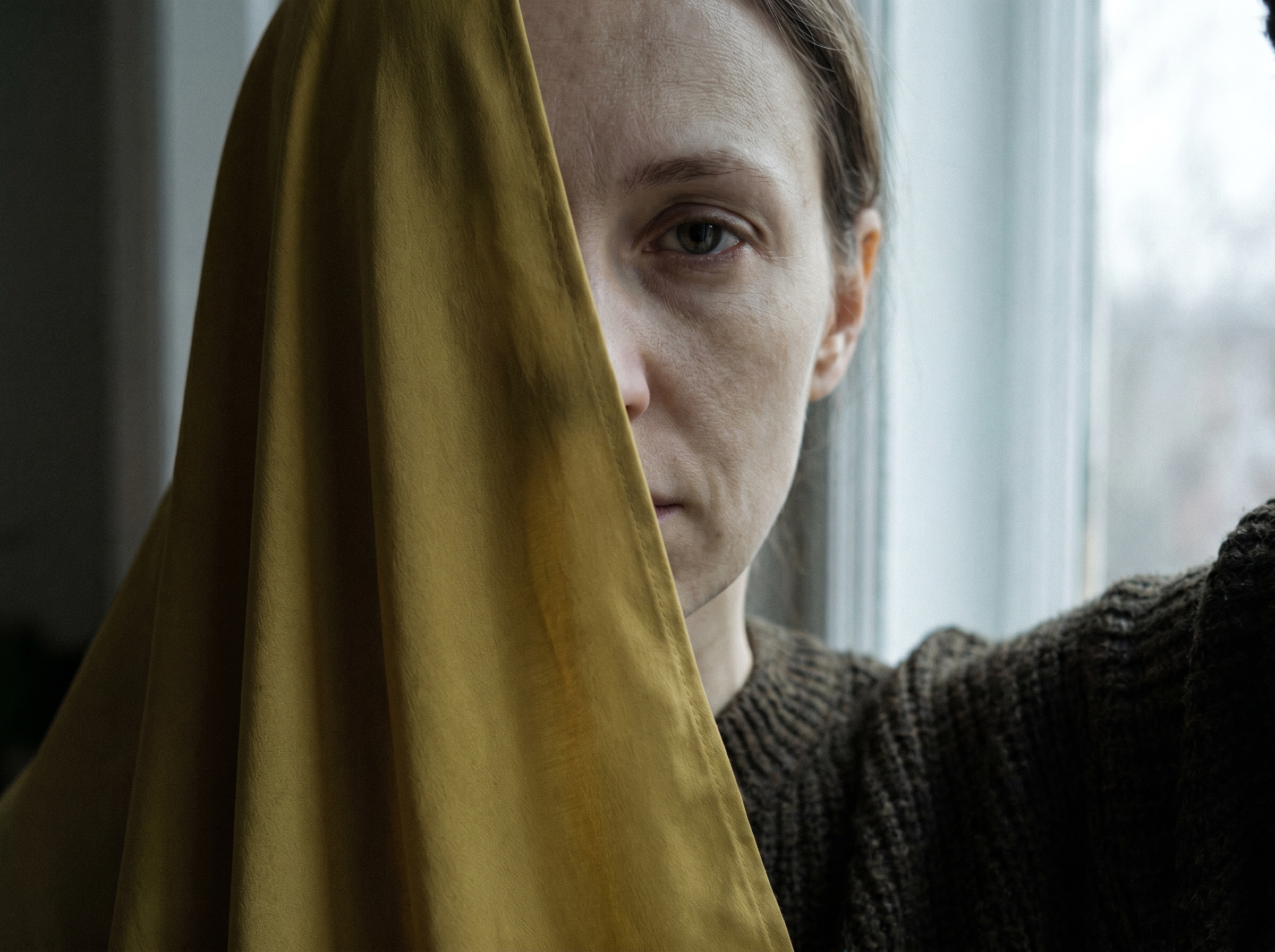
How AI Builds Your Personal Color Palette
Once the AI understands your coloring, it constructs a palette using three tiers:
Tier 1: Your Power Colors
These are the shades that make you look most vibrant, rested, and confident. They sit directly opposite your undertone on the color wheel, creating maximum harmony. An AI stylist typically identifies 8-12 power colors for each user.
Examples by profile:
- Warm + deep + high contrast: Rich burgundy, burnt orange, deep olive, chocolate brown
- Cool + light + low contrast: Soft rose, powder blue, lavender grey, icy mint
- Neutral + medium + medium contrast: Teal, dusty coral, sage green, warm taupe
Tier 2: Your Supporting Colors
These blend well with your power colors and create outfit cohesion. They're slightly less intense but still harmonious. Think of them as the neutrals and mid-tones that let your power colors shine.
Tier 3: Colors to Use Strategically
No color is truly "forbidden"—but some require more intention. The AI flags shades that can work as accents, accessories, or statement pieces but might overwhelm if worn head-to-toe near your face.
How AI Recommends Colors for Specific Garments
A palette is only useful if you know how to apply it. This is where how AI recommends colors that suit your skin tone gets practical:
Tops and Dresses
These sit closest to your face, so color harmony matters most here. The AI prioritizes your Tier 1 power colors for blouses, shirts, and dresses. If you love a Tier 3 color, the AI suggests wearing it lower on the body or as a pattern rather than a solid.
Bottoms and Outerwear
These have more flexibility. A cool-toned person can absolutely wear camel trousers—the color sits far enough from the face that undertone clash is minimal. The AI uses this "distance rule" to expand your practical palette.
Accessories
Scarves, jewelry, and bags are where the AI gets creative. Because they're small and movable, you can experiment with bolder or more challenging colors without commitment. The AI often suggests unexpected accent colors here to keep your wardrobe interesting.
Patterns and Prints
Solid colors are the easiest to analyze, but most wardrobes include prints. The AI evaluates whether a pattern's dominant color, accent colors, and background all harmonize with your profile. A floral dress with a dusty pink base and coral blooms might be perfect for a warm Spring—even if one individual shade would be less flattering on its own.
Real-World Example: Building a Week of Outfits
Let's see how this works in practice. Meet two hypothetical users:
User A: "Maya" — Warm undertone, medium depth, medium contrast (Soft Autumn)
| Day | Occasion | AI-Recommended Outfit |
|---|---|---|
| Monday | Office | Olive wrap dress + gold pendant + tan loafers |
| Tuesday | Casual brunch | Cream knit sweater + rust wide-leg trousers + brown belt |
| Wednesday | Evening event | Deep teal blouse + charcoal skirt + bronze clutch |
| Thursday | Work from home | Mustard cardigan + white tee + olive joggers |
| Friday | Date night | Terracotta slip dress + camel jacket + gold hoops |
User B: "Jordan" — Cool undertone, light depth, high contrast (Bright Winter)
| Day | Occasion | AI-Recommended Outfit |
|---|---|---|
| Monday | Office | True red blazer + pure white shirt + black trousers |
| Tuesday | Casual brunch | Royal blue sweater + grey jeans + silver necklace |
| Wednesday | Evening event | Emerald green dress + black heels + diamond studs |
| Thursday | Work from home | Fuchsia hoodie + black leggings + white sneakers |
| Friday | Date night | Cobalt top + white wide-leg pants + silver clutch |
Notice how different their palettes are—and how each feels completely "them." The AI doesn't force everyone toward the same trendy colors. It finds your colors.

Seasonal Adjustments: Adapting Your Palette Year-Round
Your skin tone doesn't change with the seasons, but your wardrobe needs do. The AI handles this gracefully:
Spring/Summer
- Lighter, brighter versions of your power colors
- Breathable fabrics in your best hues (linen, cotton, silk)
- Pastel adaptations for cool undertones; sun-washed brights for warm undertones
Fall/Winter
- Deeper, richer intensities of the same palette
- Layering pieces that let you wear multiple harmonious colors at once
- Texture play (knits, wools, velvets) in your signature shades
Year-Round Strategy
- Invest in neutrals that match your undertone (warm greys vs. cool greys, cream vs. white)
- Build a "color capsule" of 6-8 tops in your power colors
- Use accessories to bridge seasonal gaps
Common Color Mistakes AI Helps You Avoid
| Mistake | Why It Happens | The AI Solution |
|---|---|---|
| Buying "safe" black when it's not your color | Black is universally recommended but drains warm, light complexions | Suggests charcoal, navy, or chocolate as alternatives |
| Ignoring undertone in neutrals | Cream vs. white, beige vs. grey—subtle but critical | Tags every recommendation with undertone compatibility |
| Overloading on one "flattering" color | Wearing head-to-toe burgundy gets monotonous | Balances power colors with supporting shades |
| Chasing trends that clash with your coloring | Seasonal "it" colors may not suit you | Filters trends through your personal palette |
| Forgetting about fabric sheen | A matte rust behaves differently than a shiny rust | Considers fabric finish in color recommendations |
How fAIshion's AI Stylist Masters Color Recommendations
fAIshion takes color analysis beyond theory and makes it part of your daily dressing routine. Here's how:
AI Stylist Chat
Describe your coloring or upload a photo, and the AI Stylist generates your complete seasonal profile and personalized palette. Ask follow-up questions like "What color blazer should I buy for interviews?" or "Can I wear orange if I'm a Summer?" and get nuanced, reasoning-based answers.
Mix Gallery Color Previews
Browse outfit combinations in Mix Gallery and see how different color pairings look on rendered figures. Filter looks by your seasonal palette so you only see combinations that harmonize with your coloring. Save favorites to your personal collection.
Wardrobe Color Analysis
Upload or tag pieces you already own, and fAIshion analyzes your wardrobe's color distribution. Are you missing a key neutral? Over-indexed on one shade? The AI identifies gaps and suggests strategic additions that expand your outfit combinations.
Trending with Color Filters
The Trending feed shows what's popular in the fAIshion community—but you can filter by your seasonal palette. See how other users with similar coloring are interpreting current trends, from "quiet luxury" neutrals to "bold color blocking."
Smart Shopping Guidance
When you describe something you're considering buying, the AI evaluates it against your palette. "This sage green blouse—will it work for me?" The AI considers not just the color but the fabric, cut, and how it pairs with your existing wardrobe.
The Psychology of Wearing Your Colors
There's a confidence boost that comes from wearing colors that genuinely suit you. People notice—even if they can't articulate why. Compliments increase. You stop second-guessing your reflection. Getting dressed becomes faster because every option in your closet "works."
An AI that understands how AI recommends colors that suit your skin tone doesn't just make you look better. It removes the low-grade anxiety of "does this look okay?" and replaces it with the quiet certainty of "this is my color."
Final Thoughts: Color as Self-Knowledge
Understanding your best colors is a form of self-knowledge. It isn't about following rules or fitting into a box. It's about learning which wavelengths of light make your particular complexion sing—and then curating a wardrobe that amplifies that effect.
AI color analysis makes this knowledge accessible to everyone. No expensive consultations. No confusing self-tests. Just a smart system that learns your coloring, respects your preferences, and guides you toward a more harmonious, confident wardrobe.
Ready to discover your best colors? Try fAIshion's AI Stylist for a personalized color analysis, browse color-harmonious looks in Mix Gallery, and build a wardrobe where every piece makes you glow.